YOUR CART
- No products in the cart.
Subtotal:
$0.00
BEST SELLING PRODUCTS
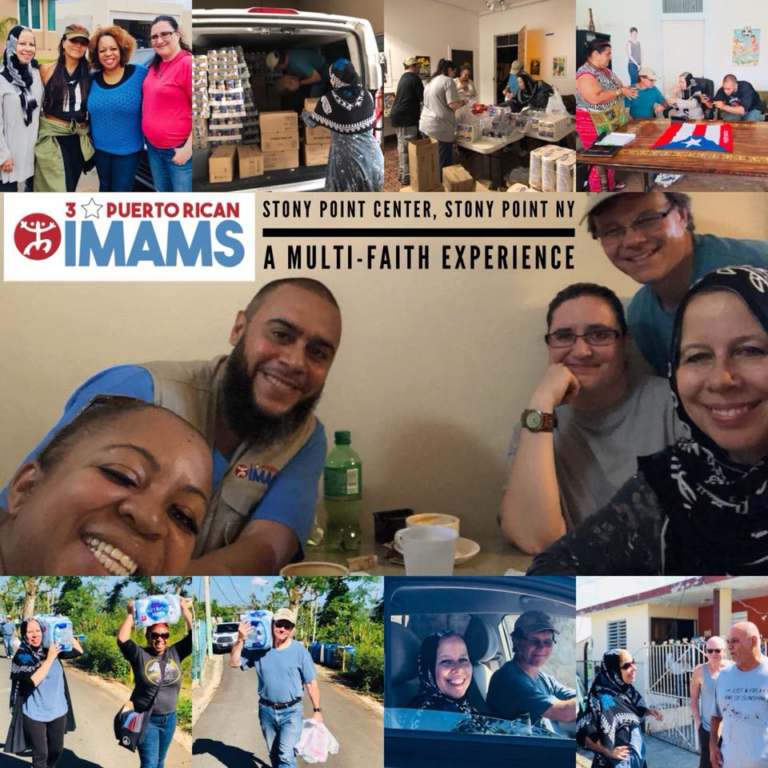
I’m Puerto Rican, but I didn’t learn much about the history of Puerto Rico or the political implications of its being a territory of the United States until I was a freshman at Brooklyn College. It was devastating but not surprising that I would learn so little about the island in my early school career – never mind the truth
I’m Puerto Rican, but I didn’t learn much about the history of Puerto Rico or the political implications of its being a territory of the United States until I was a freshman at Brooklyn College. It was devastating but not surprising that I would learn so little about the island in my early school career – never mind the truth
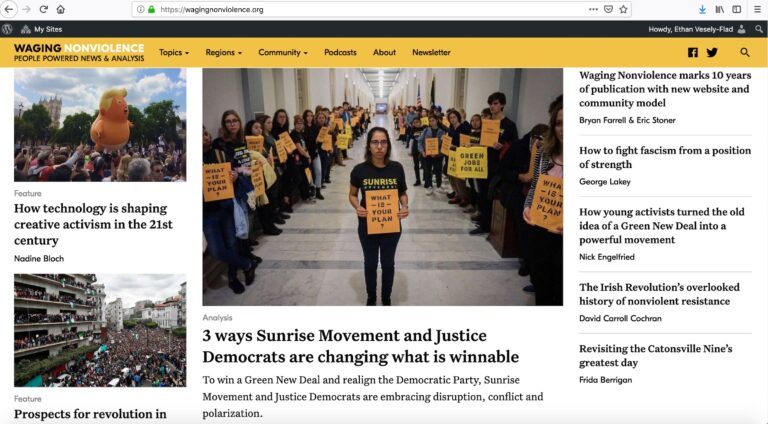
Brooklyn, NY — March 20, 2019 — Nonprofit news organization Waging Nonviolence is celebrating 10 years of covering social movements this spring with the launch of a fully redesigned website, including a new community section that unites world-leading peace and justice organizations onto a single platform. With over 3,500 articles, podcasts and videos from a diverse network of contributors in
Brooklyn, NY — March 20, 2019 — Nonprofit news organization Waging Nonviolence is celebrating 10 years of covering social movements this spring with the launch of a fully redesigned website, including a new community section that unites world-leading peace and justice organizations onto a single platform. With over 3,500 articles, podcasts and videos from a diverse network of contributors in
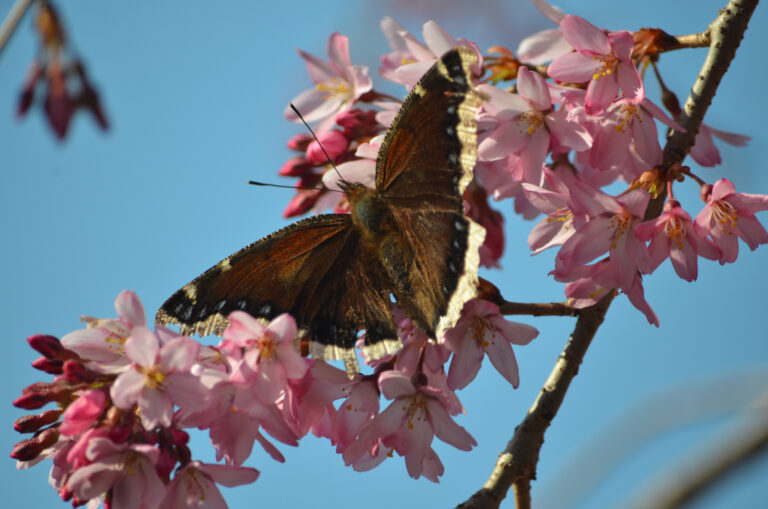
Let us awaken from the quiet beauty and sacred stillness of Winter, giving thanks for the solitude and reflection her season has provided. Let us emerge from the protection of our solitary cocoons, readying ourselves for the miraculous moment when our newly unfolded wings take flight away from the harsh, unforgiving chill of separation. Let us turn our faces to
Let us awaken from the quiet beauty and sacred stillness of Winter, giving thanks for the solitude and reflection her season has provided. Let us emerge from the protection of our solitary cocoons, readying ourselves for the miraculous moment when our newly unfolded wings take flight away from the harsh, unforgiving chill of separation. Let us turn our faces to