YOUR CART
- No products in the cart.
Subtotal:
$0.00
BEST SELLING PRODUCTS
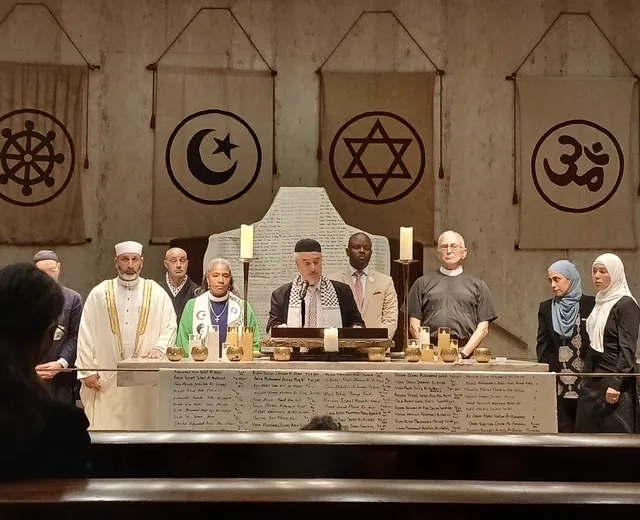
“Where Is the Justice?” Interfaith Service for the Gaza Children’s Shroud at the United Nations By Eric Shōkei Manigian, Co-Chair FOR Metro NY/NJ Chapter On Wednesday, September 16, an interfaith coalition gathered at the Church Center of the United Nations to hear sermons from across religious traditions regarding the ongoing slaughter of Palestinian children in Gaza. The number is well
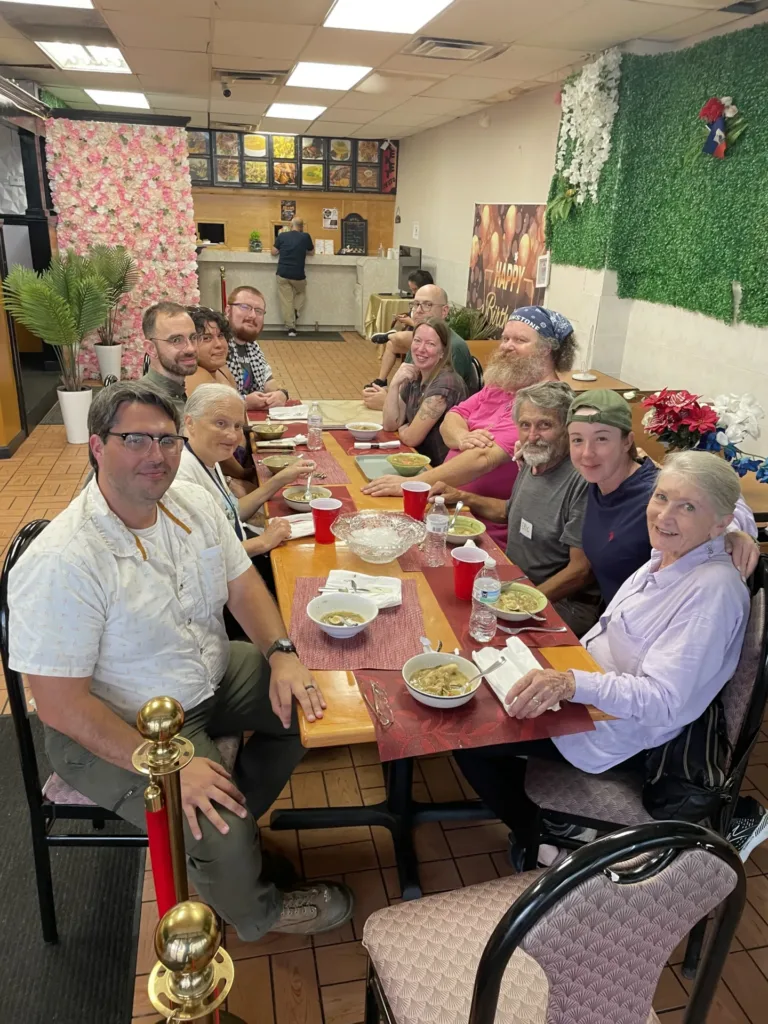
Breaking Bread and Standing in Solidarity with Our Haitian Neighbors By Donna Deitrich, Scioto Peace and Justice Member FOR Chapter in Portsmouth, OH In late August, I had the opportunity to travel to Springfield, Ohio with Scioto Peace and Justice, our local chapter of the Fellowship of Reconciliation. The goal was to provide assistance to those trying to help Haitian
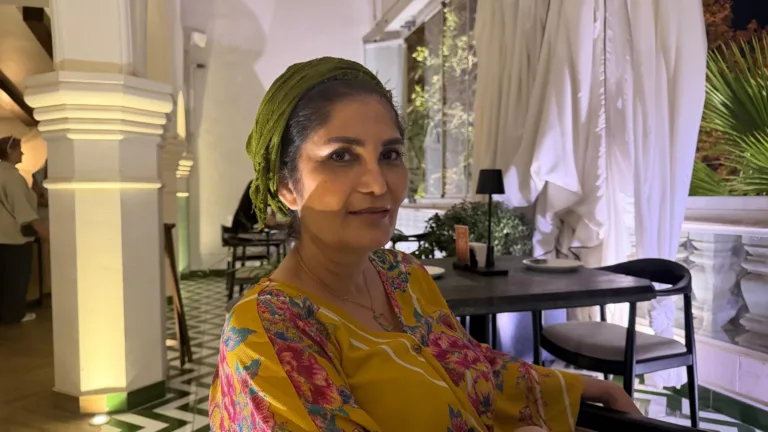
Living Between War and Peace: The Human Experience of Uncertainty By Leila Zand, Co-Chair FOR-USA National Council I am in Iran, and I find myself struggling to identify the appropriate language for what I am witnessing. Iran is at war, and yet, in many ways, it feels as though there is no war. This is not a contradiction I can
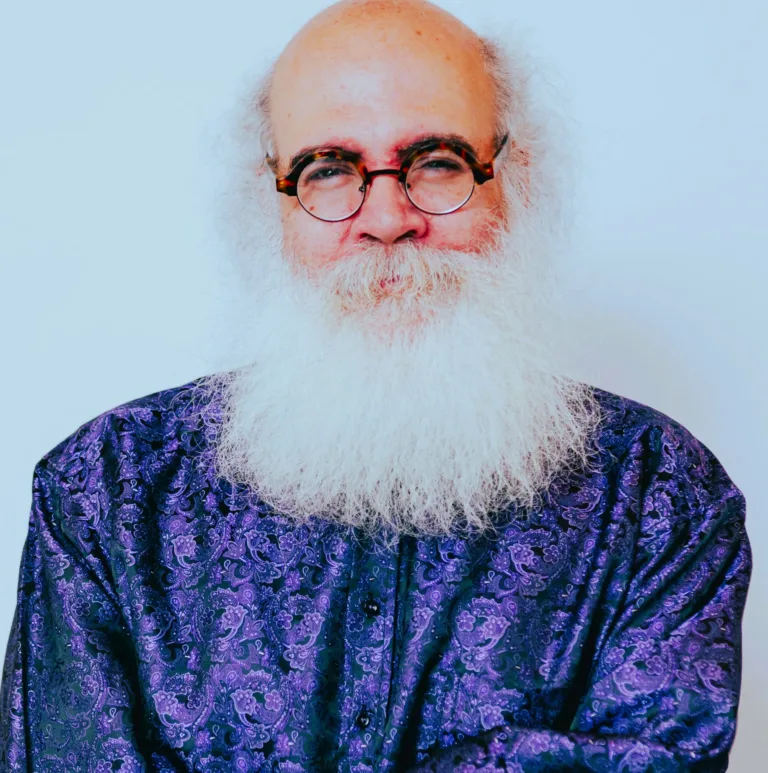
Matt Meyer and the International Peace Research Association Nominated for the Nobel Peace Prize The Fellowship of Reconciliation-USA, War Resisters League, and the AJ Muste Foundation for Peace and Justice proudly celebrate the Nobel Peace Prize nomination of Matt Meyer and the International Peace Research Association (IPRA). This nomination recognizes Meyer’s decades-long leadership in resistance and liberation, his substantial scholarly
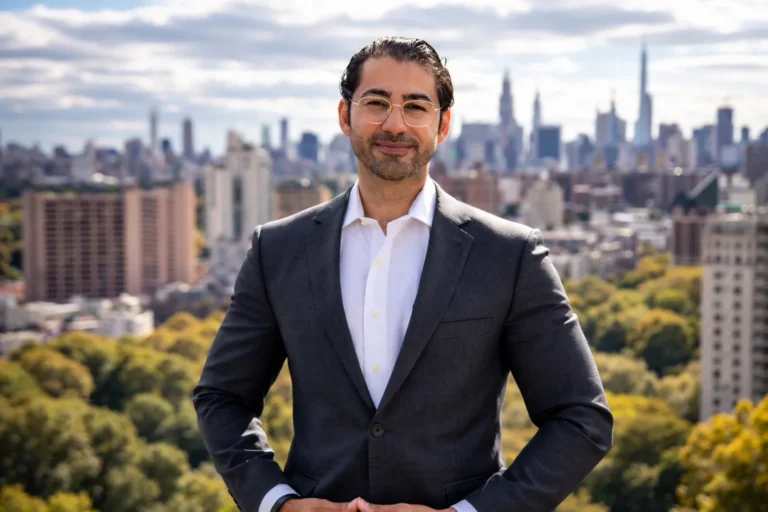
How Do We Heal a Wounded World? An Evening with Mohsen Mahdawi Join the Fellowship of Reconciliation-USA and the FOR Metro NY/NJ Chapter for a special hybrid program with 2026 Wink Fellow Mohsen Mahdawi on the evening of Thursday, October 8. The in-person program will take place at the Stony Point Center Art Space from 6:30-8:30 pm, while virtual livestreaming
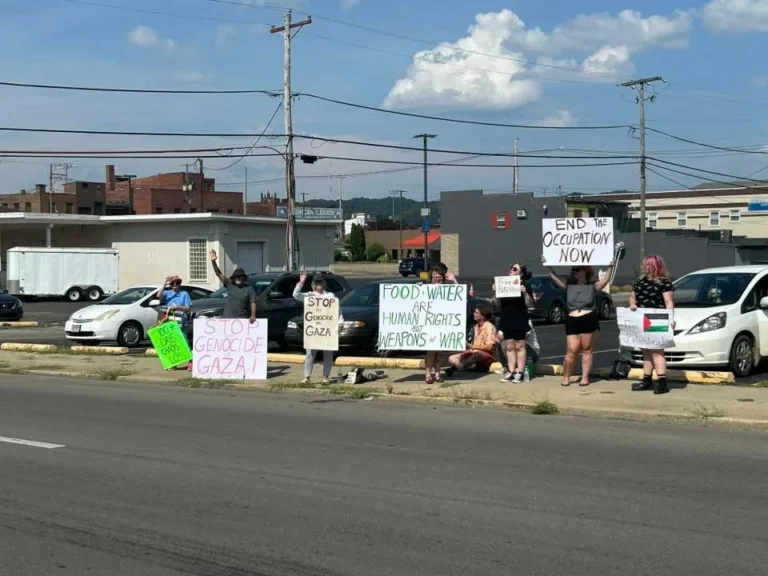
Bearing Witness in Ohio By Lorry Swain, Co-Chair, Scioto Peace and Justice FOR Chapter in Portsmouth, OH It’s been 134 weeks in a row that we’ve been out on the streets of Portsmouth, Ohio, witnessing against the systemic violence that our government is financing or perpetrating on other lives. Our signs read “Stop the Genocide against the Palestinians,” “Stop the