YOUR CART
- No products in the cart.
Subtotal:
$0.00
BEST SELLING PRODUCTS
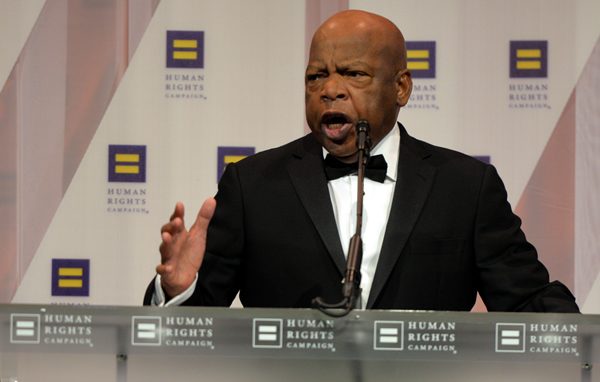
by Max Hess My first encounter with John Lewis? When I moved from California to Georgia in the early 1990s. I had been living in Nancy Pelosi’s district and didn’t know to whose district I had moved. The LA uprising, following the police brutality against Rodney King, sparked a sympathy March here in Atlanta. I remember watching TV, and this
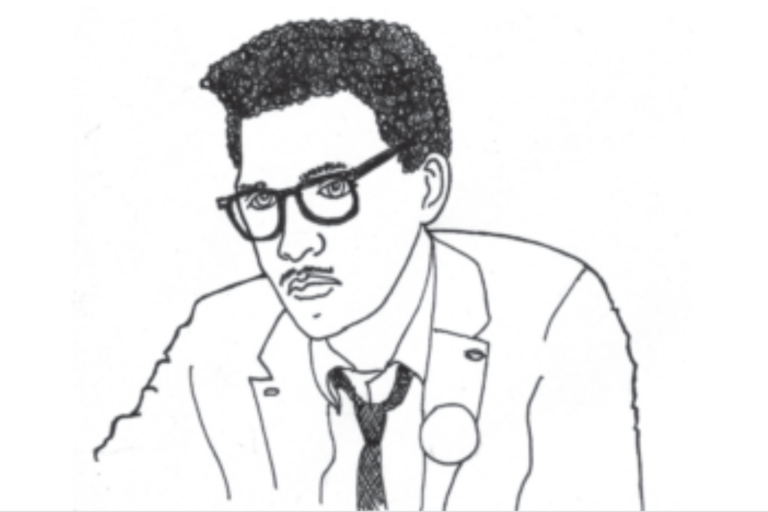
To honor the twin anniversaries of Bayard Rustin’s death (August 24, 1987) and the March on Washington (August 28, 1963) that Rustin co-organized, we are republishing this piece that originally appeared in the centennial edition of Fellowship magazine in 2015. A people do not throw their geniuses away. And if they are thrown away, it is our duty as artists
To honor the twin anniversaries of Bayard Rustin’s death (August 24, 1987) and the March on Washington (August 28, 1963) that Rustin co-organized, we are republishing this piece that originally appeared in the centennial edition of Fellowship magazine in 2015. A people do not throw their geniuses away. And if they are thrown away, it is our duty as artists
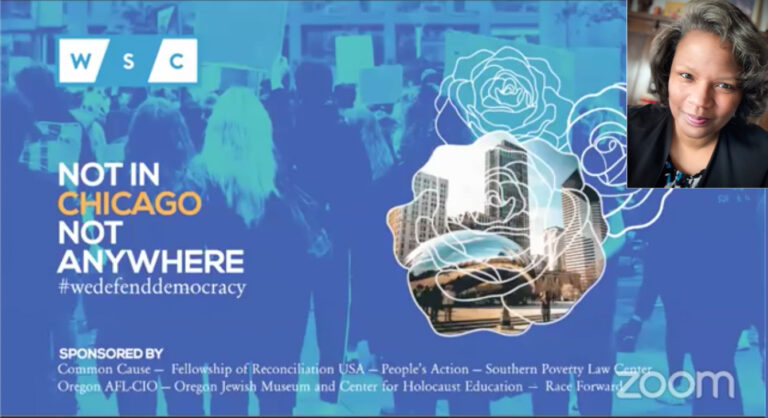
The Western States Center convened a live Emergency National Briefing from Portland. Speakers included U.S. Senator Jeff Merkley (D, OR) and FOR’s Rev. Dr. Emma Jordan-Simpson.
The Western States Center convened a live Emergency National Briefing from Portland. Speakers included U.S. Senator Jeff Merkley (D, OR) and FOR’s Rev. Dr. Emma Jordan-Simpson.
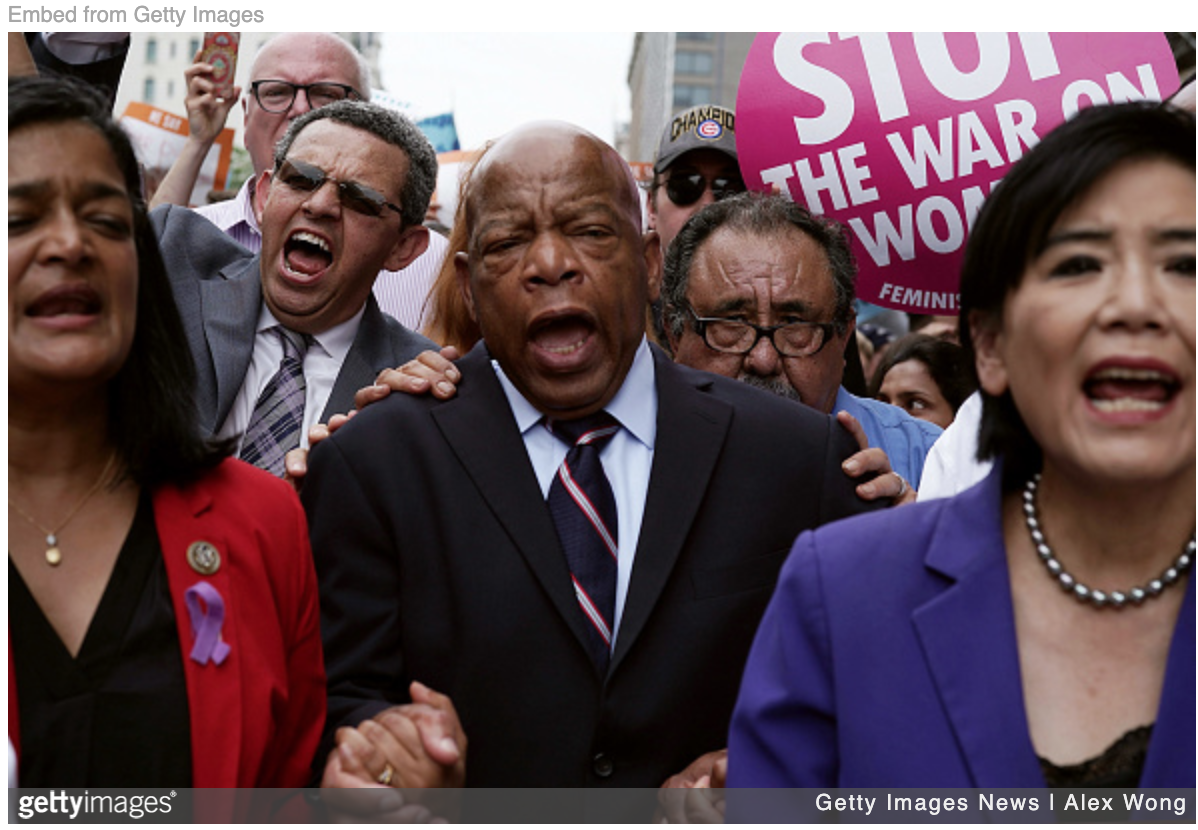
May we live like John Lewis advised in a tweet in 2018: “Do not get lost in a sea of despair. Be hopeful, be optimistic. Our struggle is not the struggle of a day, a week, a month, or a year, it is the struggle of a lifetime.”