What Is Pacifism Good For?
In yesterday’s “Sunday Review” section of The New York Times, Louisa Thomas penned an excellent op-ed titled “Give Pacifism a Chance.” Thomas is the great-granddaughter of Fellowship of Reconciliation early leader Norman Thomas, and recently published the critically-acclaimed Conscience: Two Soldiers, Two Pacifists, One Family — A Test of Will and Faith in World War 1, which was reviewed on this site in combination with an interview of the author by FOR Executive Director Mark Johnson.
In her opinion piece, Thomas writes:
Pacifism is a curiosity. Even those few who call themselves pacifists are usually quick to qualify the word; they’re “realistic” or “pragmatic” pacifists. Rarely does anyone question the tragic view of human nature: man is aggressive, violence is a fact and some wars are necessary. It is tempting to say this is knowledge learned of experience. Fascism, communism, nuclear bombs, genocide and terrorism seem to confirm the futility of strict nonviolence. As President Obama said while accepting the Nobel Peace Prize, recognition of the moral and practical necessity of force “is a recognition of history, the imperfections of man and the limits of reason.”
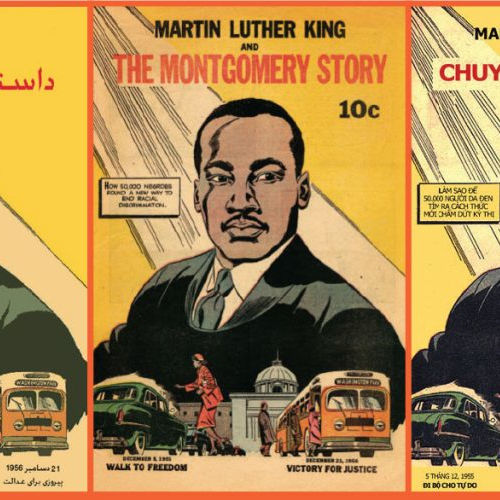
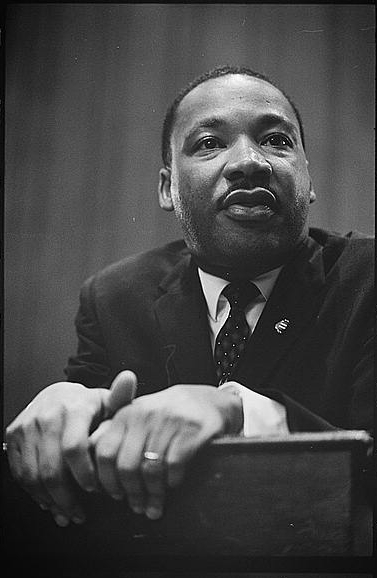
A recognition of history, however, also compels us to remember that many Americans — as disparate as Andrew Carnegie and the Rev. Dr. Martin Luther King Jr. — have held another view. These pacifists (an imperfect, but useful, term) rejected organized violence on principle. They had different and contradictory motives and tactics, but their repudiation of war challenged the idea that man’s imperfections, and reason’s limits, made war acceptable. They were often naïve — but so were leaders who pursued policies that made armed conflict more likely, or who assumed that violence could be governed by good intentions and expertise.
At the end of the compelling piece, which highlights the particular success of pacifism in the U.S. civil rights struggle, Thomas also references the ongoing work of FOR together with fellow groups the War Resisters League and the Albert Einstein Institute (led by Gene Sharp), but indicates that our organizations’ efforts are “marginal” in the modern public debate.
What do you think of her thesis of pacifism having been by-and-large abandoned? Are you an “absolute” pacifist, or a “pragmatic” pacifist, or do you not identify at all with the term pacifism?